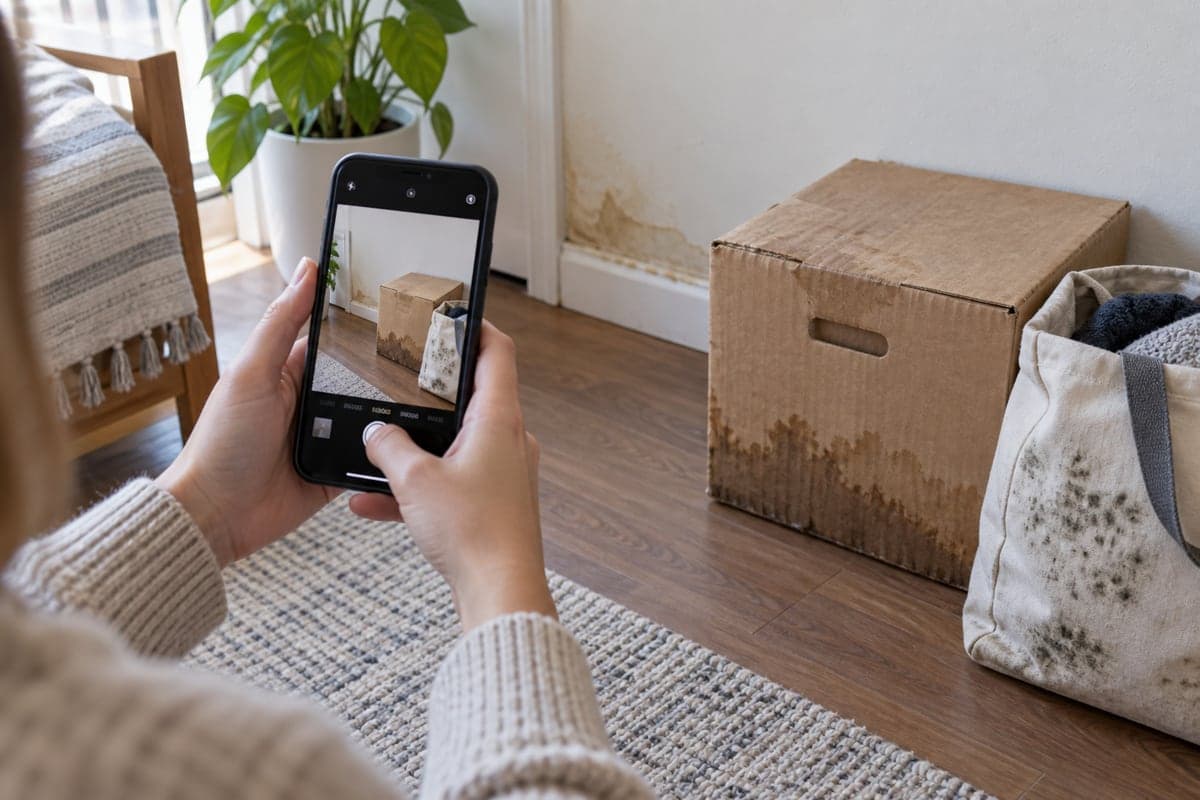
Mold & moisture
Does Renters Insurance Cover Mold Damage? Coverage and Exclusions
Renters insurance may cover mold after a covered water event. Learn about belongings, hotel costs, exclusions, landlord responsibilities, and claims.
Renters insurance may cover mold after a covered water event. Learn about belongings, hotel costs, exclusions, landlord responsibilities, and claims.
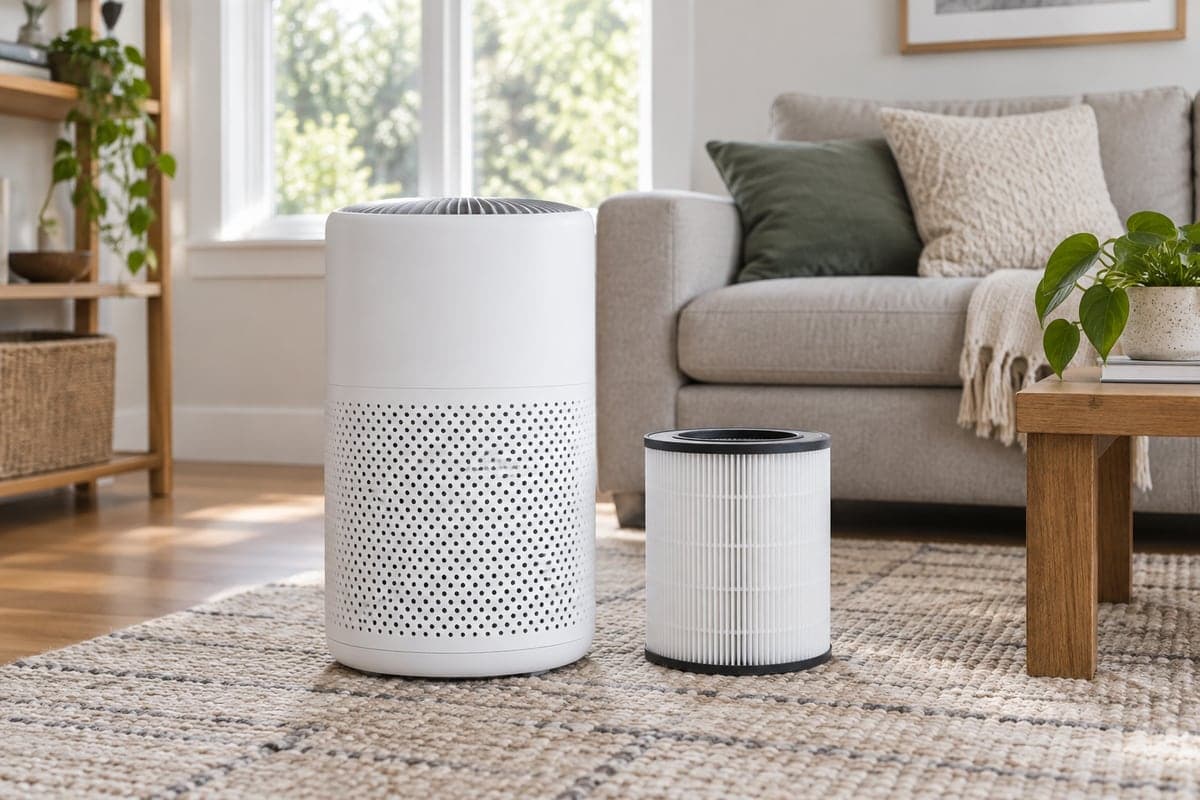
A HEPA air purifier can capture airborne mold particles, but it cannot fix dampness or remove growing mold. Learn how to choose and use one sensibly.
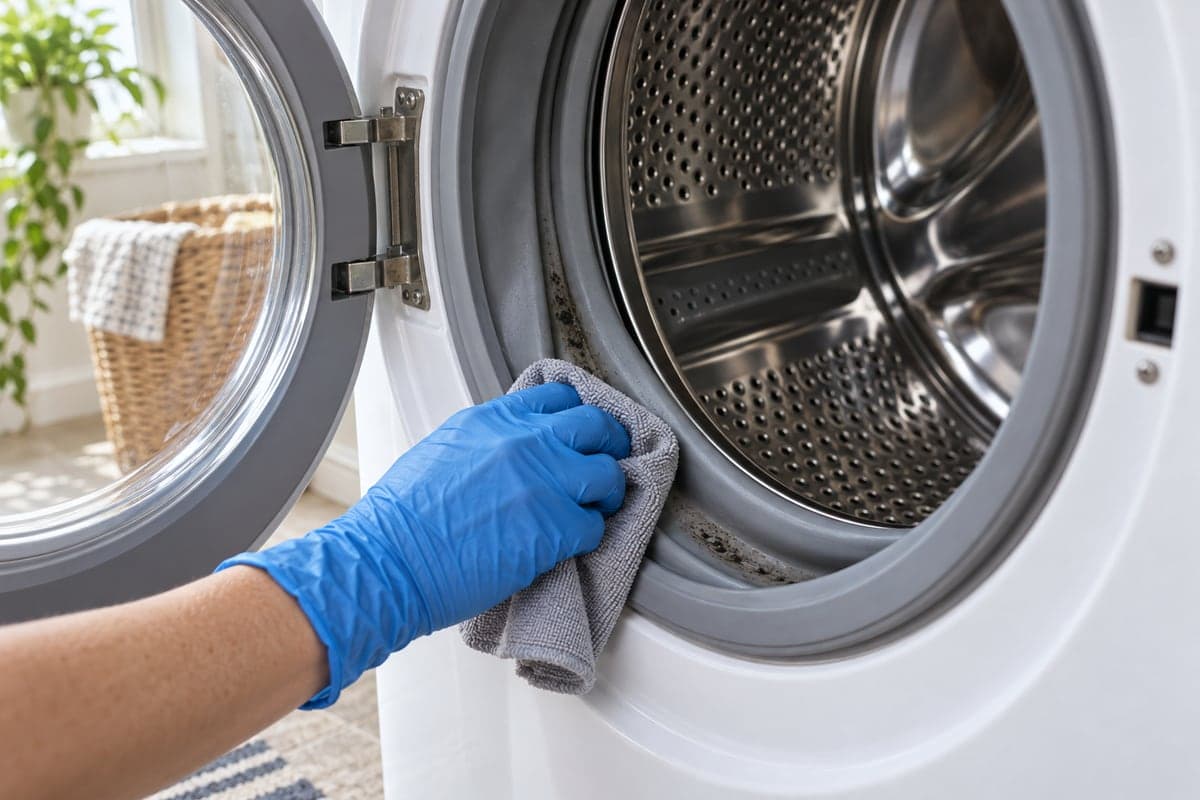
Clean a moldy washer's gasket, drawer, and drum safely. Follow model-specific cleaner instructions, prevent regrowth, and know when to request service.
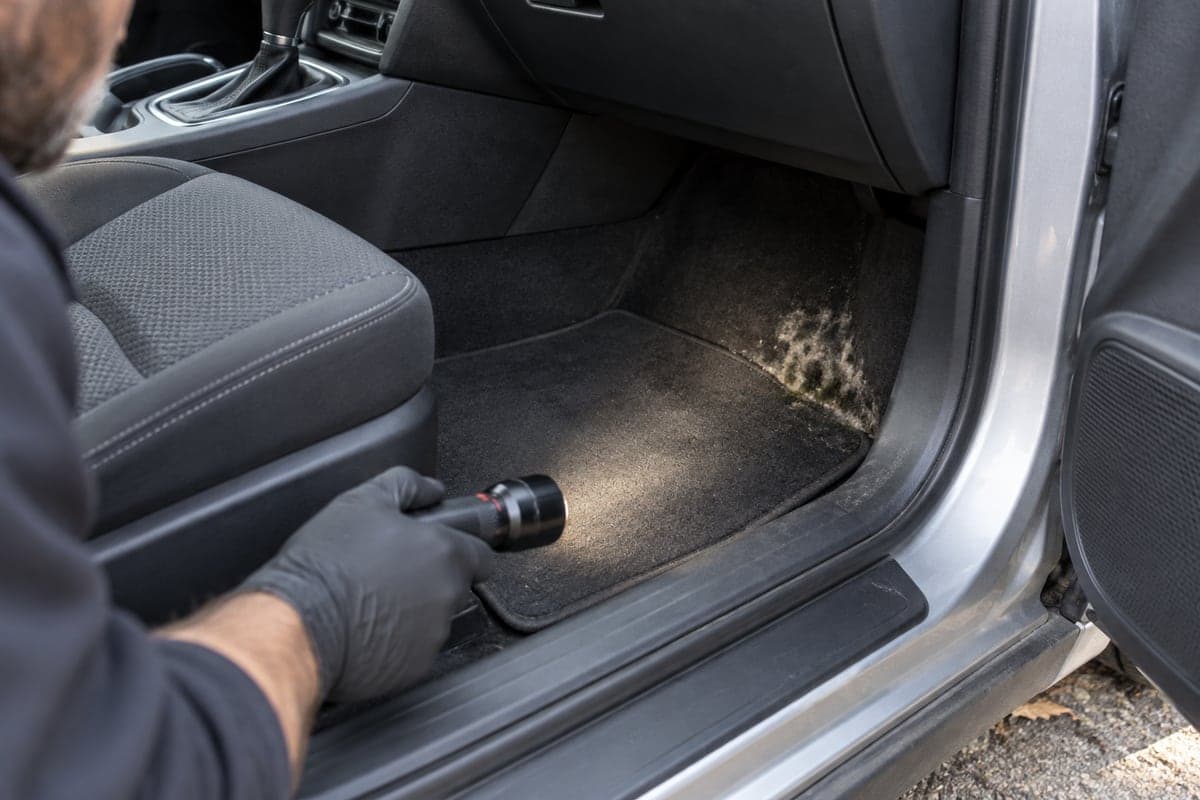
Find the moisture behind car mold, clean limited surface growth safely, and learn when wet padding, vents, or flood damage need professional help.
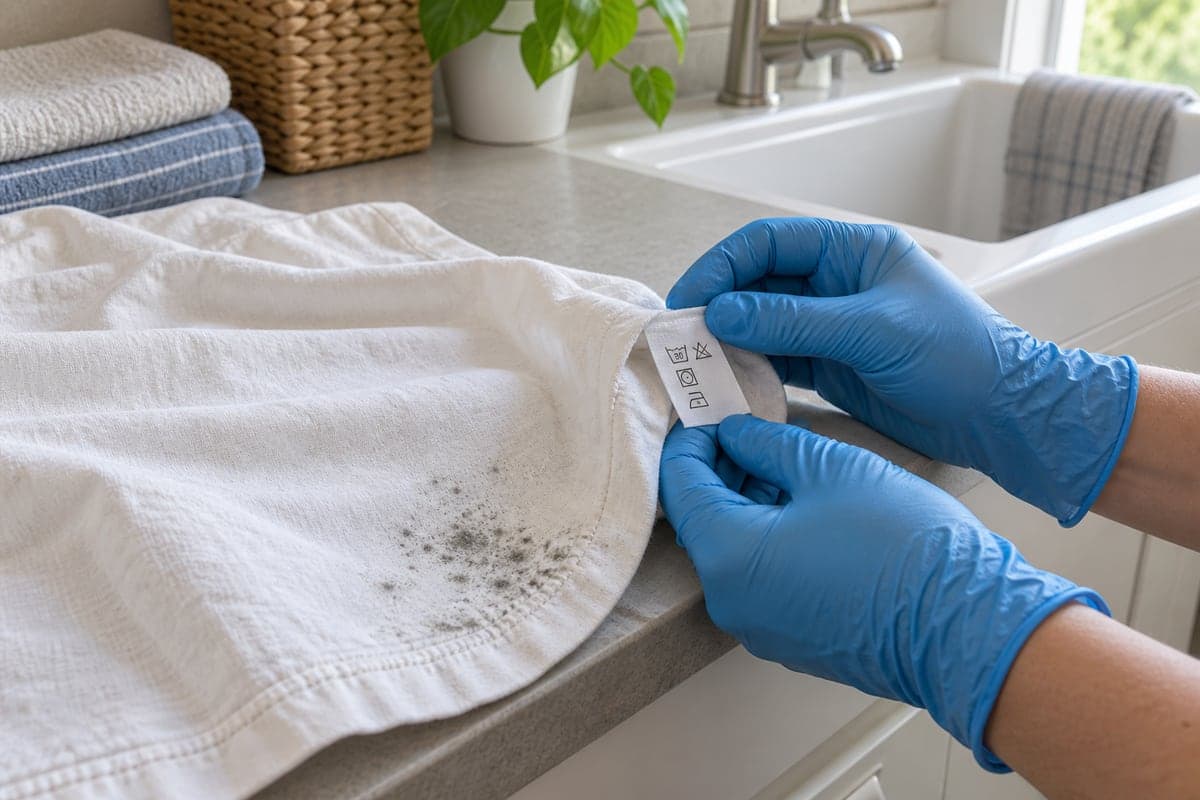
Remove mold stains from washable clothes with fabric-safe pretreatment, washing, and drying. Know when bleach is suitable and when to discard an item.
Smart home market estimates for 2025 cluster near $140B to $162B, but growth forecasts run from 3% to 26% a year. Why, plus how to secure the devices you own.
Census puts US guard services at $32.2B and alarm services at $28.3B (2022). Why private estimates range from $24B to $387B, and how to vet alarm contracts.
No agency tracks mowers alone. 2025 global estimates run $29B to $37B. What Census, EPA, CARB and CPSC data mean when you buy and use a mower.
Census counts about 118,000 US landscaping employers and 803,000 workers in 2023. Private global estimates run $130B to $669B. Why they differ and how to hire.
Solar market size depends on what you count: 600+ GW added globally in 2025, 43.2 GWdc in the US, and $217B to $625B in private dollar estimates.
No agency tracks lawn care alone. Census puts US landscaping services near $133B to $149B; private global estimates vary 3x. Why they differ and what to do.
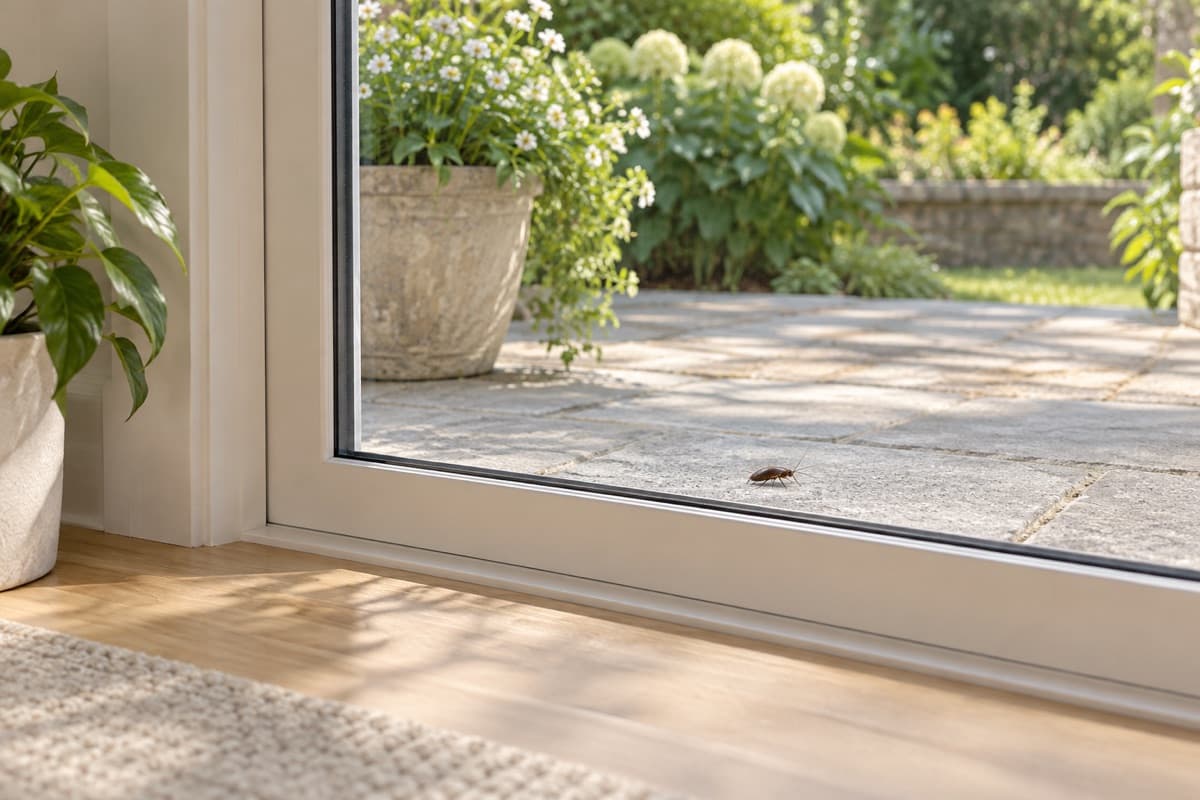
Gradual exposure is the best-supported way to overcome a fear of roaches. What the research says, gentle steps to try, and when to see a licensed professional.
Laundry market size depends on scope: $25.3B US appliance output, $69.6B soap and cleaners, ~$8.8B a quarter in laundry services. Plus dryer fire data.
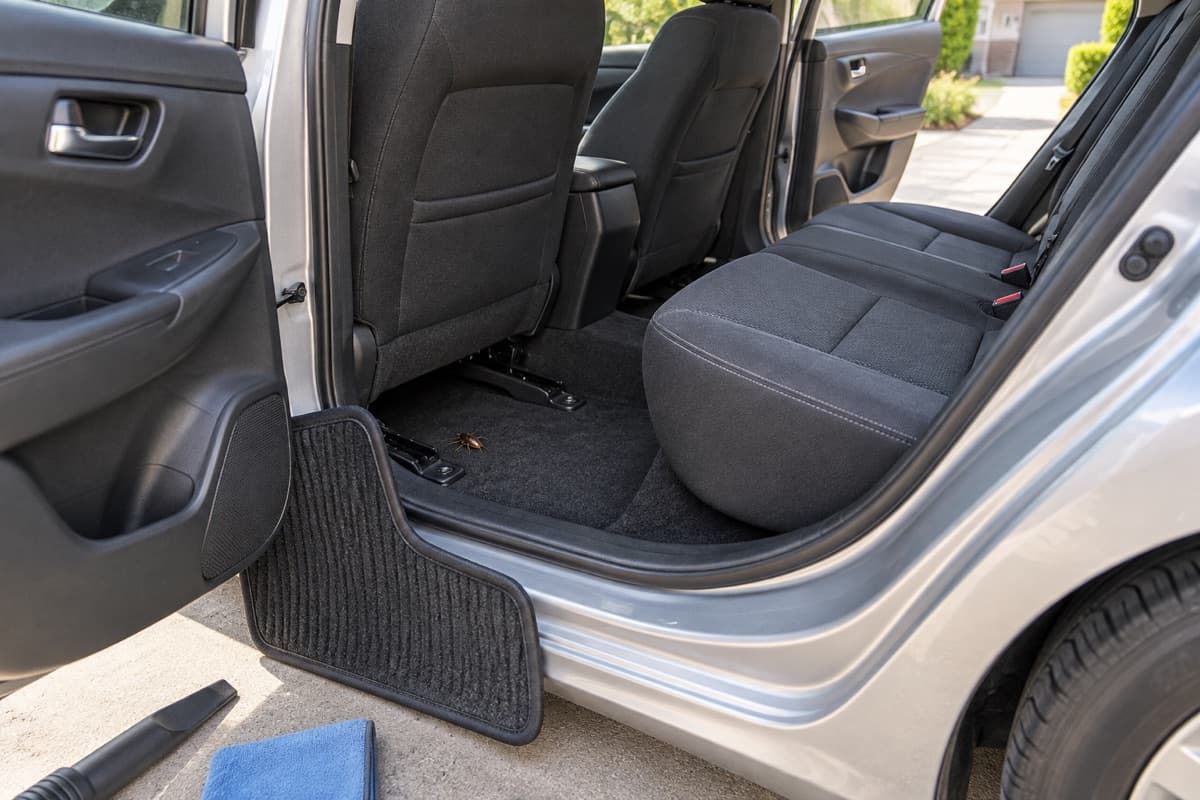
Bug bombs are built for rooms, not car cabins. What EPA, CDC and extension research say about fire, exposure and results, plus safer ways to clear roaches.
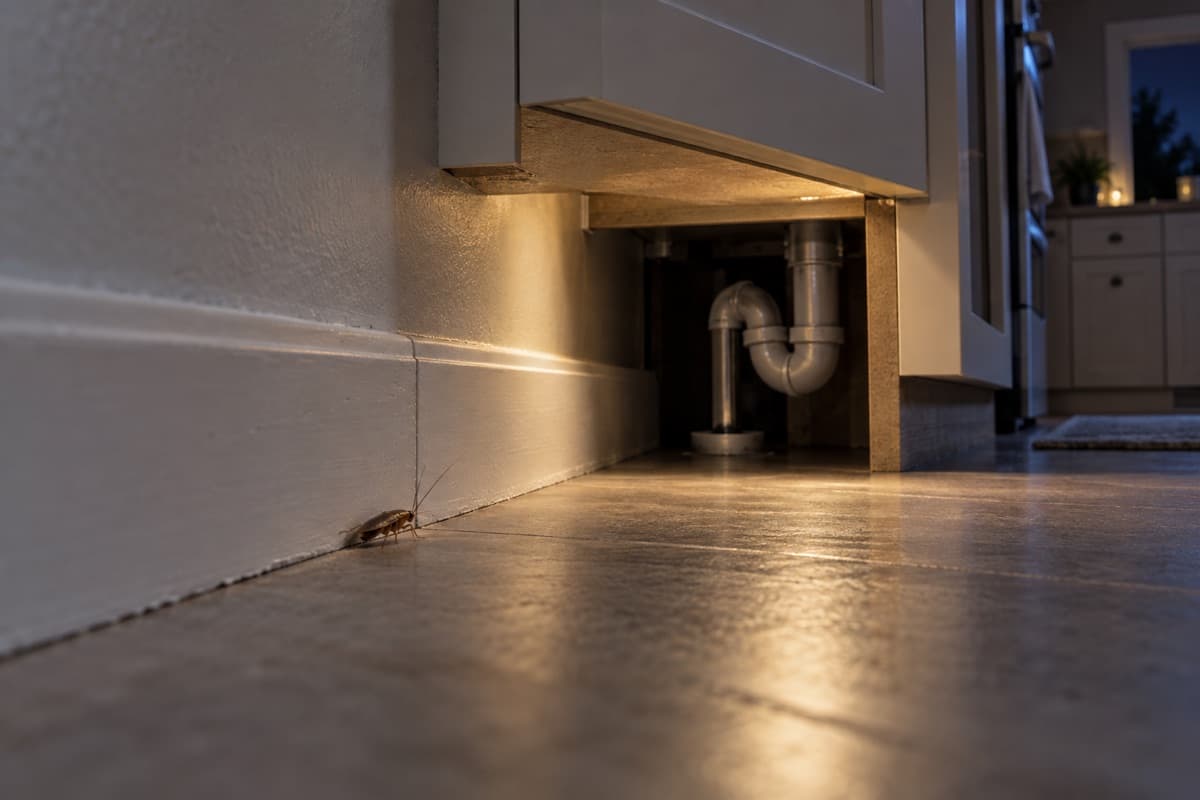
Roaches rarely roam far alone, but they move between units and homes through plumbing, walls, and hitchhiking. Range, speed by species, and how to block them.
Filtration market estimates run from $4B to $47B because they measure different things. What they cover and what matters for your home's air and water.
Unplug first, vacuum and dry-clean around the coils, and bait away from wiring. Never spray, dust, or pour anything into a refrigerator's motor compartment.
German cockroaches spread because people carry them. Inspect first, use clean boxes or bins, check appliances and furniture, then monitor the new kitchen.
Roaches use cabinets for water, food, and tight cracks. Fix leaks, seal food, clean with soap, caulk seams, and bait in small dabs. Skip the home remedies.
Gutter guards cut cleaning but never end it. How to choose, measure, and install them safely, protect your roof warranty, and know when to hire a pro.
A roach touching your skin is rarely harmful. What to wash, why bites are rare, who should be more careful, and what the evidence says about germs and allergy.
Follow your company's prep sheet, clear hiding spots, protect food, pets and fish tanks, and skip DIY sprays first. A practical roach treatment checklist.
Clean gutters and downspouts twice a year, but only from a correctly set ladder on a one-story home. Safe steps, drainage fixes, and when to call a pro.
Published mold remediation market estimates run from $1.4B to $14.8B. What federal data can and cannot show, and how to hire a contractor with care.
For indoor German roaches, gel bait beats spray. What tested consumer sprays actually do, when a spray still helps, and how to use one safely.
Published diffuser market estimates run from $3.3B to $25.8B for 2025. Why they conflict, and what indoor-air and pet-safety research actually shows.
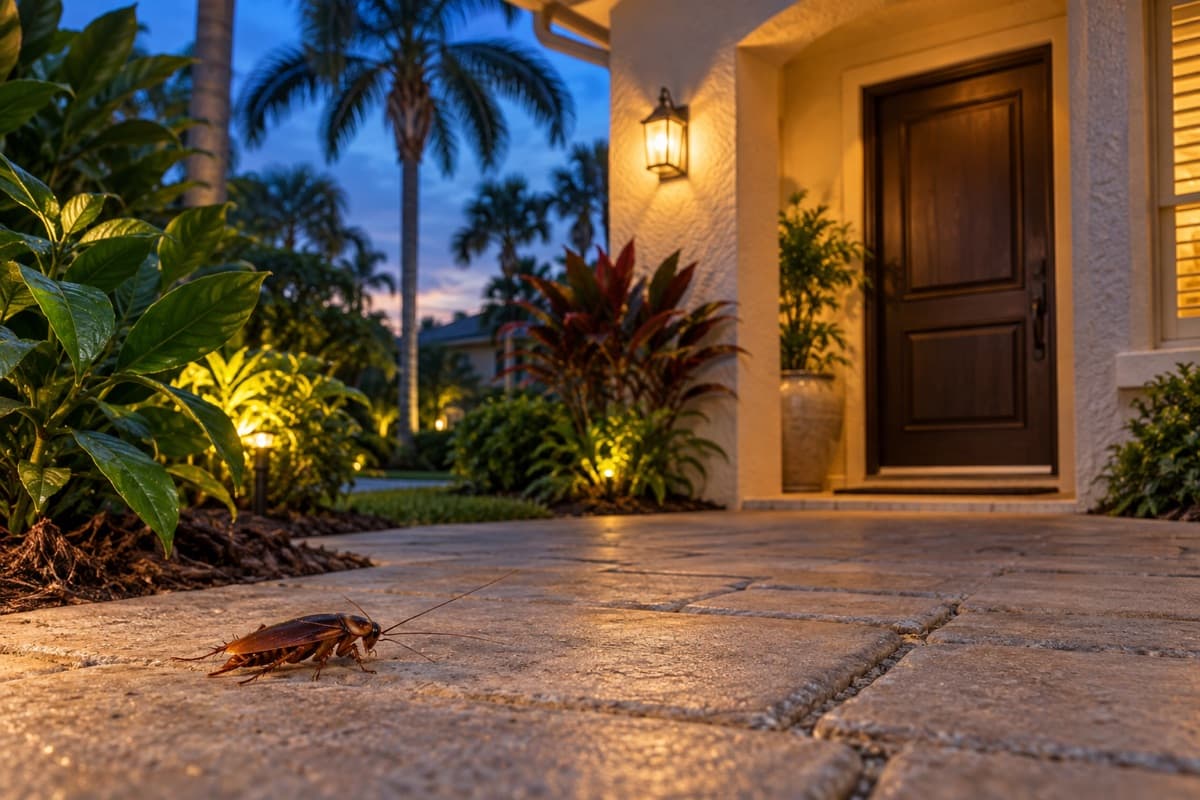
Roach sightings are common in Florida, but an indoor infestation is not inevitable. Learn to tell outdoor strays from breeding roaches, and what to do.
Cockroach allergen is a proven asthma trigger. Disease transmission is far less established, and bites are rare. What the research actually supports.
Roaches from drains are usually sewer species coming through a dry P-trap. Pouring bleach, ammonia, or drain cleaner fixes nothing and creates hazards.
Lysol is registered as a disinfectant, not an insecticide. Its EPA label carries no insect claims, and using it on roaches is a label violation.
German roaches carry a 40-egg case for about 21 days, protected from insecticide. Here is the real reproductive timeline and how to break it.
Roaches in your Keurig? Unplug it, strip and hand-wash every removable part, descale it, and keep all pesticide out of it. Plus when to throw it away.
Roach odor is musty, sour, and oily. What is actually known about the chemistry, how to tell it from mold or sewer gas, and where to look when you smell it.
German roaches hitchhike in on groceries, boxes and used appliances. American and Oriental roaches walk in from drains and doors. Exclusion that fits each.
Parasitoid wasps, geckos, centipedes, spiders and birds all eat cockroaches. What the research shows, and why none of it works as home pest control.
Never spray, dust, or pour anything into a live outlet. Kill the breaker, close the gap around the box, bait the wall void, and treat the real infestation.
USDA and FDA give specific numbers for this: baking soda in water for the interior, a weak bleach solution for rubber gaskets, and rules on what to discard.
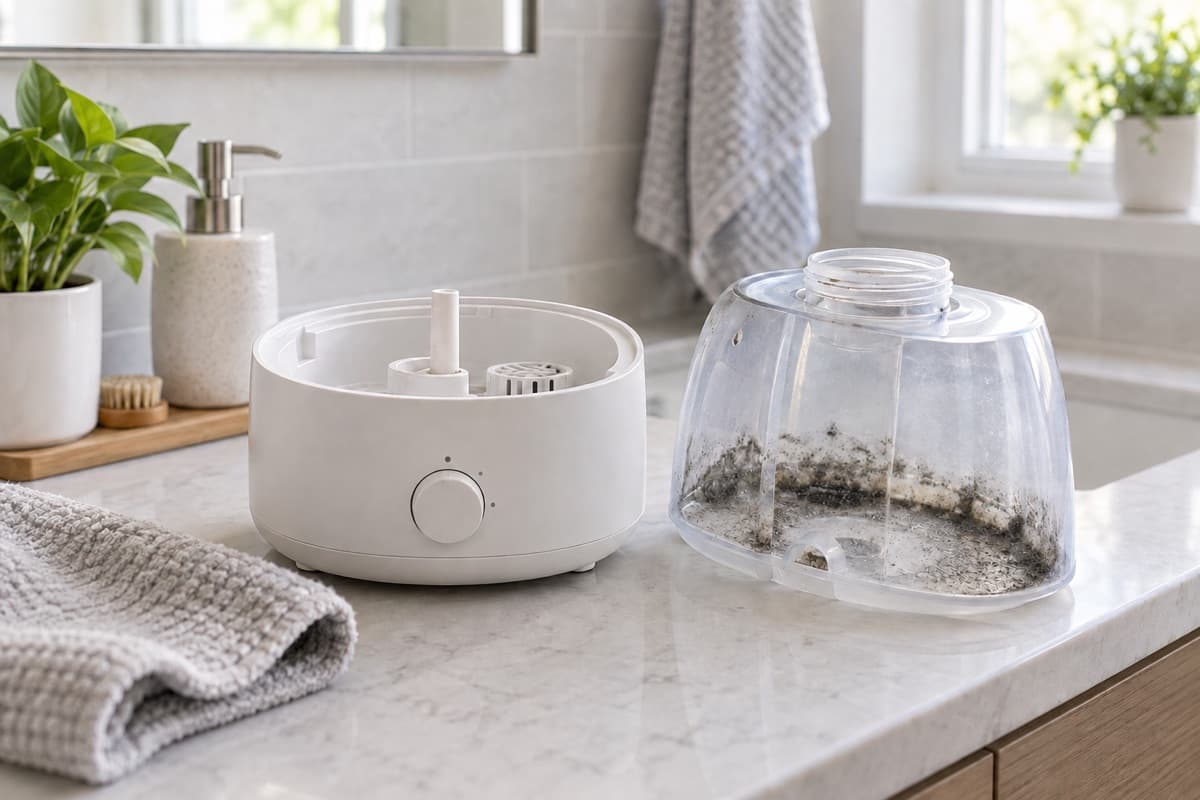
Found dark mold in a humidifier? Stop using it, clean it safely if the manual allows, know when to replace it, and prevent it from returning.
Raid uses pyrethroids that jam insect sodium channels. Field German cockroaches are 59 to 358 times resistant, and sprays ruin your bait program.
How landlords should handle a tenant mold complaint: documentation, repair timelines, habitability exposure, and when to hire an independent assessor.
Surface mildew on a finished floor and mold in the subfloor are different problems. How to tell them apart, what to clean, and what has to come out.
Sticky-trap counts, bait consumption, and the size of the roaches you see. How professionals measure a baiting program, and what bait aversion looks like.
Black specks from roaches are droppings. How to tell them from mouse droppings, why roaches return to them, and how to clean them safely.
EPA says never paint a moldy surface. Clean, dry, and fix the moisture first. What encapsulants and mold-resistant primers really do in an attic.
US pest control services took in $21.5 billion in 2022 per Census data. Why private global estimates range from $25B to $28B, and which numbers to trust.
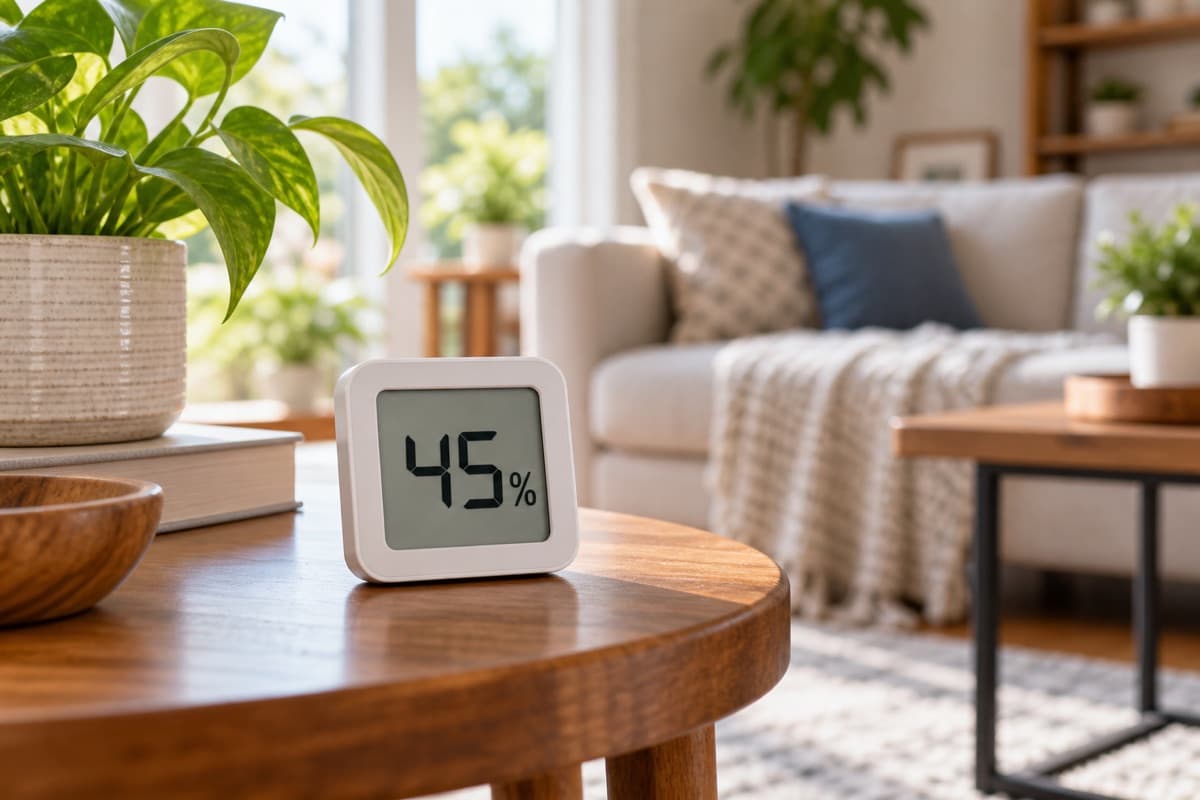
Aim for 30% to 50% indoor humidity to help prevent mold. Learn how to measure it, adjust by season, and fix moisture at the source.
Label rates, why a thin film beats a pile, food grade vs pool grade, why DE must stay dry, and where it fits next to gel bait in a real roach plan.
Roaches hide by instinct, not choice. What actually brings them into view: night inspection, sticky monitors at wall-floor junctions, and careful flushing.
There is no published evidence that table salt kills or repels cockroaches. Why the myth persists, what it gets confused with, and what actually works.
Gel baits kill feeding roaches in 6 to 96 hours, but clearing an infestation takes weeks. What each treatment does, and why you see more roaches first.
Roaches in the dishwasher? Clean the gasket, filter and air gap, bait the toe-kick and cabinet voids instead, and treat the kitchen-wide infestation.
Drying stops mold from growing, but it does not kill it, and dead mold still causes allergic reactions. Why remediation means removal, not drying.
Shower mold is a dwell-time problem, not a dirt problem. What actually drives it, how to size and run the fan, and when growth means a leak.
Peppermint is not the best-tested roach repellent. What choice-box studies measured, how fast repellency fades, and why repelling roaches can backfire.
Vinegar does not kill or reliably repel roaches. What the one study that tested acetic acid found, what vinegar is genuinely good for, and what to do instead.
Roach droppings are an allergen reservoir and an aggregation pheromone. How to wet-clean them off finished and unfinished wood without aerosolizing dust.
Drain roaches are usually American or Oriental roaches exploiting a dry trap or an unsealed pipe opening. How to close the route, and what not to pour.
Window mold is a surface condensation problem. How dew point, glazing, and frame thermal bridging cause it, and what actually stops it coming back.
What actually kills a roach on the spot, why knockdown isn't death, how to clean up afterward, and what to use in a kitchen instead of an aerosol.
Roaches in a flat screen TV: what to do first, why nothing sprayable goes inside the chassis, why bug bombs fail, and when the set is not worth saving.
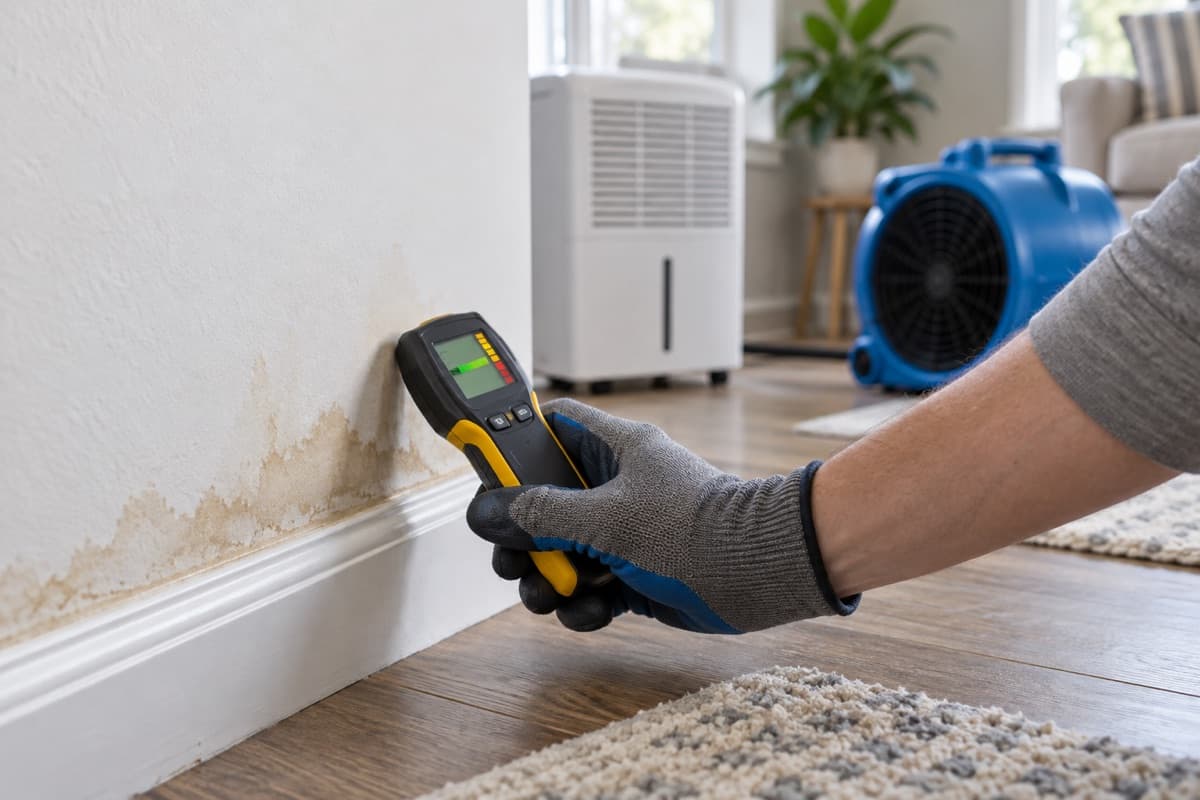
Mold can grow after 24 to 48 hours of water damage. Learn what to dry first, which materials may need replacing, and when to call a pro.
Individual roaches die in hours to four days. A German cockroach population takes weeks. Here is what the labels, field trials, and extension guidance show.
Professionals rely on gel baits, growth regulators, and targeted dusts, not baseboard spraying. The real active ingredients and what a good visit looks like.
Orthene Fire Ant Killer is labeled only as an outdoor fire ant mound treatment. Using it indoors for roaches is a federal violation. Here is what works.
Droppings, live sightings, and a two-week sticky trap test are the signs that hold up. What the research says about confirming roaches, and what it misses.
Houston leads every recent American Housing Survey wave for cockroach sightings. Here is the real metro data, and why pest-company rankings disagree.
Ortho's own EPA label requires 2 to 24 hours of continuous contact to kill German cockroaches. Here is what that means for a real infestation.
CDC caps bleach at 1 cup per gallon, EPA does not recommend it routinely, and the label only covers hard nonporous surfaces. The real numbers.
No houseplant repels cockroaches. Here is what the repellency research actually measured, why a living plant cannot deliver it, and what works instead.
Roach droppings carry asthma-triggering allergens. How to clean them safely with a HEPA vacuum and damp wiping, and why cleaning alone is not enough.
Boric acid roach powder is registered to be used dry and alone. Here is what mixing it with sugar or peanut butter really does, and what to use instead.
Epsom salt does not kill roaches. Where the claim came from, why the dehydration explanation is chemically wrong, and what to use instead.
Ozone does not reliably kill mold on real building materials at any concentration people can safely be around. Here is what the EPA research found.
TERRO Roach Bait Gel is 0.05% fipronil. Here are the EPA label rates, where to place it, how fast it works, and the pet and food-area limits.
Roach treatment runs about $100 to $600 a visit in 2026, and most jobs need two to four visits. What drives the price, and where cost guides mislead.
Boric acid and desiccant dusts are the only household staples with real evidence behind them. What works, what does not, and how to use them safely.
What really happens after a roach treatment: re-entry timing from actual labels, why you still see roaches, and why the two-week no-cleaning rule is wrong.
Roaches carry Salmonella, E. coli, and dozens of other organisms. But the best-documented household health risk is allergy and asthma, not infection.
Researchers ranked 12 scent compounds against German cockroaches. Here is what roaches actually avoid, how weak the effect is, and why it can backfire.
Residual spray can sit on a surface for months and still stop killing roaches within days. What labels promise, what studies show, and what actually lasts.
Borax has no verified kill time for mold and no EPA mold registration. What borax actually does, how to use it safely, and what matters more.
Droppings, glued egg cases, and shed skins in seams are the reliable signs. How to inspect furniture, confirm with traps, and treat it without ruining it.
A roach in the ear causes loud scratching, pain, and panic. What clinicians actually do, what never to put in your ear, and when to go in now.
There is no reliable percentage. Risk depends on whether your current home has German cockroaches, and on boxes, appliances, and used furniture.
German roach egg cases hatch in about 28 days; American take 50 to 55. Species-by-species timing, egg counts, and why egg cases survive treatment.
Long-term roach prevention is water, food, harborage, and monitoring, repeated. What the research supports, and what is a waste of money.
Days to weeks, per the entomologists who tried it. Why open circulation, tracheal breathing, and segmental ganglia make it possible, and what is guesswork.
Roughly half of US homes show dampness or mold in research surveys, while 3.9 million report mold to the Census. Why the numbers differ, and what matters.
Cockroach bites are real but rare, and most suspected roach bites are something else. What a bite looks like, how to treat it, and what matters more.
Swallowing a roach is almost never dangerous, but a few risks are real. What the evidence shows about bacteria, parasites, allergy, and when to get care.
Peppermint oil repels roaches weakly and briefly in lab tests. Here is what the research shows, why reapplying can backfire, and what to do instead.
Combat baits pair roach food with fipronil. How the poison spreads through a colony, and why the gel outperformed the plastic stations in home trials.
Roaches communicate mainly with chemicals in their droppings and on their bodies. What the research shows, and how to use it to place baits and traps.
Roaches find food by smell and taste, learn which odors pay off, and follow routes marked by droppings. What that means for cleaning and baiting.
No candle scent repels cockroaches at the amounts a burning candle puts in a room. Here is the measured evidence and what to do instead.
Bifenthrin kills susceptible roaches in hours, but German cockroach pyrethroid resistance is widespread. What the label says and what research found.
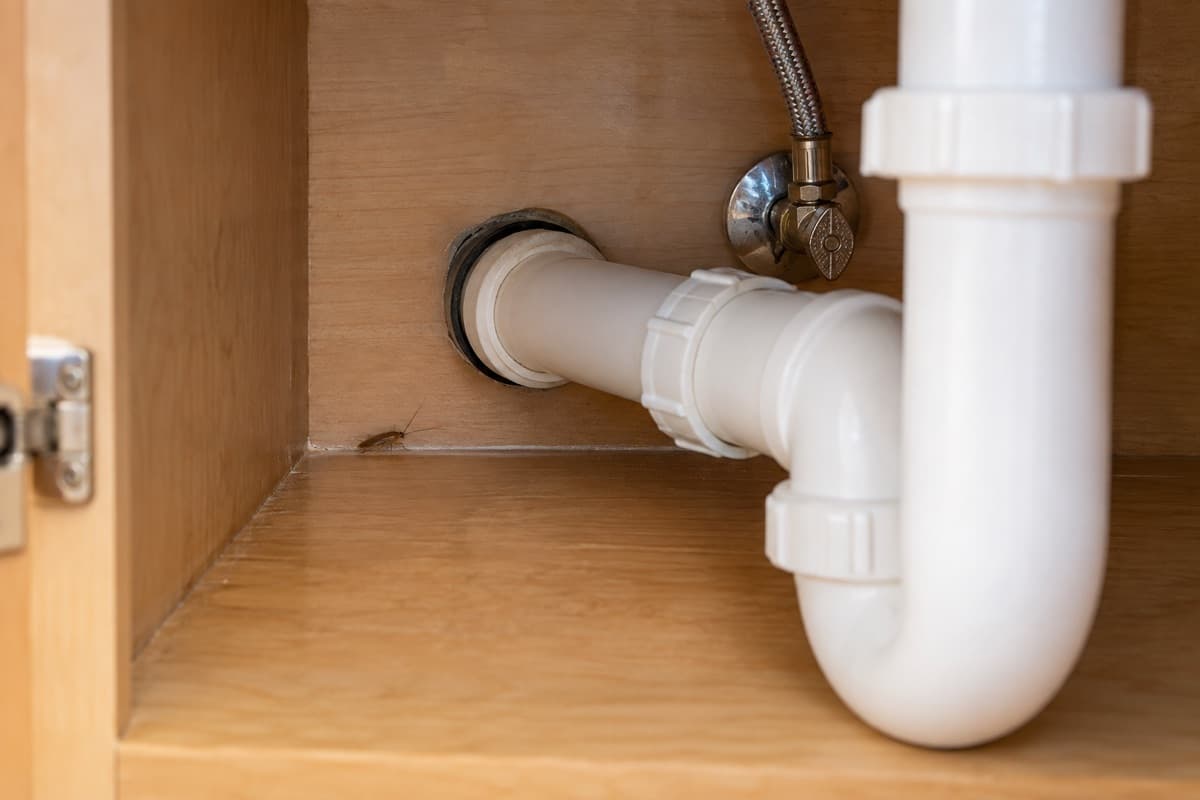
Boric acid dust keeps working as long as it stays dry, thin, and undisturbed — here is how long to leave it down, when to replace it, and how to use it safely.
One fogger covers 5,000–7,000 cubic feet and labels cap you at one per room. But research shows foggers don't control roaches. What to do instead.
Sticky traps are a monitoring tool, not a control method. How many to use, where to put them, how long to leave them, and how to read the counts.
Roaches in the ear canal are uncommon but genuinely documented. What clinical case series show, what to do, what not to do, and how to lower the risk.
Modern roach control is bait-driven, not routine spraying. A realistic visit schedule, what should happen each time, and when to question your service.
Sticky traps get replaced on condition, bait stations on the label's schedule, and gel when it's eaten or dry. How to tell which one you have.
A roach infestation can breach the warranty of habitability, but the notice, deadlines, and remedies vary by state. How to document, notify, and exit safely.
Wait out the label's re-entry time, air the place out, then wash food surfaces only. Scrubbing baseboards and bait can undo the treatment.
Roach droppings on a circuit board? Unplug first, learn which devices are safe to open, clean with 99% isopropyl alcohol, and know when to replace instead.
Identify the species first, then inspect, read the evidence, and use sticky monitors to find the harborage roaches are actually coming from.
Roaches at a vent usually live in the wall void around the register, not in your ductwork. How to diagnose it, seal the boot, and fix the moisture.
Roaches in a grill are a grease problem, not a spray problem. How to clean, store, and bait around a grill without treating a cooking surface.
An RV gives roaches entry routes a house does not have. Seal the bays and hookups, bait the cabinets correctly, skip the fogger, and store the rig dry.
You cannot clear roaches from a yard, but you can cut how many reach your door. Mulch, moisture, lighting, and baiting changes that actually work.
Boric acid is the only DIY roach poison with real evidence behind it. How to use it by the label, which folk recipes fail, and why gel bait beats mixing.
How insect growth regulators work on roaches, what hydroprene and pyriproxyfen labels actually require, and why an IGR only works paired with bait.
What the Maxforce FC bait station label actually requires: 4 to 6 stations per 100 square feet, 24 per home, and why gel often works better.
No pesticide is legally allowed to be called pet safe. Here is the lowest-risk roach control that actually works, and what to skip.
Roaches next door usually become roaches in your unit. How to document it, report it, seal your side, and push for building-wide treatment.
Coffee grounds do not kill roaches, and the one published repellency test found no effect. Here is the research, and what to do instead.
Advion roach gel works, but only if you place it the way the EPA label says. Exact spot sizes, rates, placements, and the mistakes that kill results.
A roach on its back is usually poisoned, sick, or dying. What causes it, whether it signals an infestation, and how to clean up safely.
German cockroaches stay active indoors all year. American, oriental, and smokybrown roaches follow the weather. Here is what each season actually means.
Bay leaves are not a roach repellent in any dose a kitchen can deliver. Here is what the research shows, and what to do instead.
German cockroach adults live 3 to 9 months; American cockroaches can take a year just to mature. Species-by-species lifespans and why it matters.
Food residue, water, warmth, and tight hiding places are what hold roaches in a home. Here is how to find and remove each one, in the order that works.
Roaches are generalist omnivores that eat food residue, paper, glue, dead insects, and each other's droppings. What the research says, and what it means.
Bathroom ceiling mold is a condensation problem. How to size and duct an exhaust fan, warm the cold surface, and clean what is already there.
Pink and black rings in a toilet are biofilm, not always mold. What each color usually is, how to clean it safely, and what never to mix with bleach.
Sticky traps catch roaches overnight but don't reduce the population. Bait stations take weeks to months. What the field research actually found.
Seeing more roaches after treatment is usually a good sign. Here are the real signs roaches are dying, honest timelines, and how to measure progress.
Most indoor roach problems start with German cockroaches carried in on bags, boxes, or furniture. How each species gets in, early signs, and what to do.
Baking soda and sugar will not make roaches burst. Here is what the one real study tested, why the anecdotes persist, and what actually works.
German roach egg cases hold 30-40 eggs; American and Oriental about 16. Counts by species, hatch times, and why sprays miss the egg stage.
Strip the car, vacuum the harborage, bait the cracks, and skip the fogger. A step-by-step plan for roaches in a vehicle, plus the real risks to avoid.
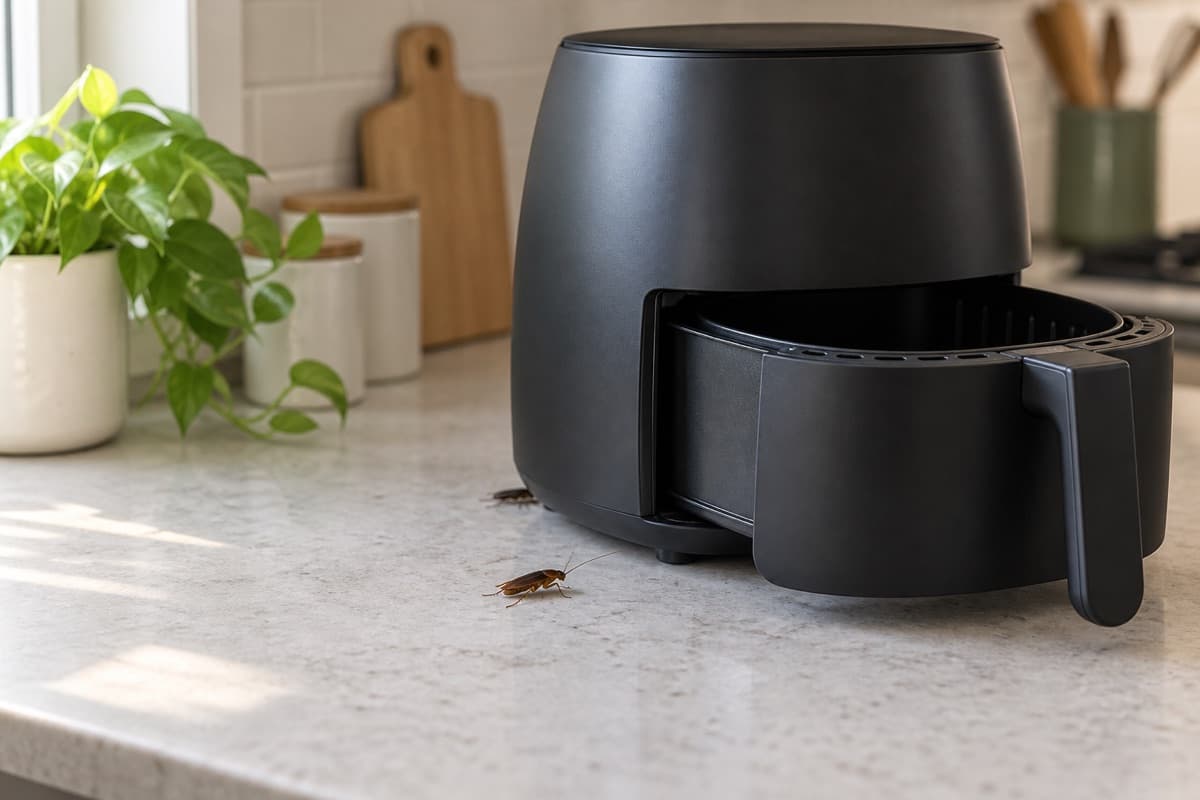
Found roaches in your air fryer? Unplug it first, then follow a safe cleaning process, know when to replace it, and stop the wider kitchen infestation.
Roaches don't build nests. They cluster in harborages marked by their own droppings. How to find those cracks, room by room, and treat them safely.
German cockroaches lay 30-40 eggs per case and finish a life cycle in about 100 days. The real numbers by species, and what actually slows them down.
A musty smell, stains, bubbling paint, or an old leak can point to mold inside a wall. How to check safely, why testing rarely helps, and what to do next.
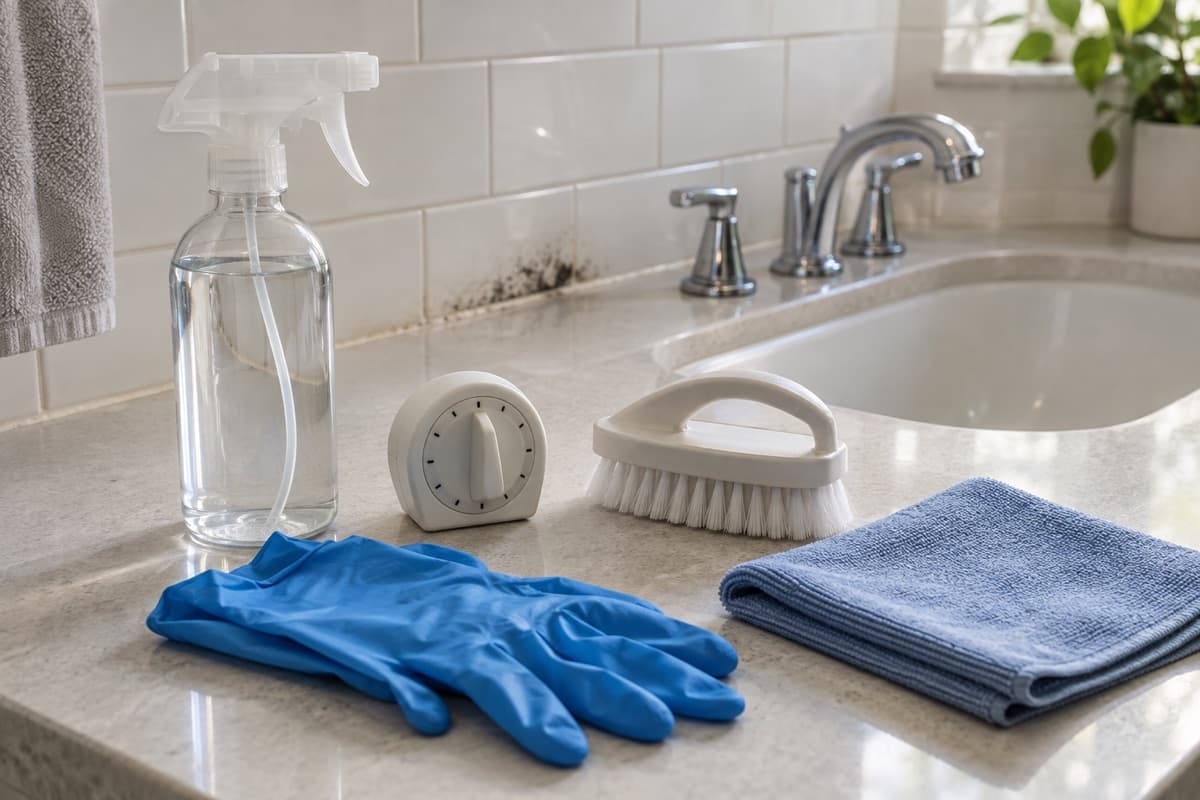
Many guides say to let vinegar sit on mold for an hour, but that isn't a proven kill time. How to clean small hard-surface spots safely.
No single count exists. US surveys find about 1 in 10 people have mold antibodies, but fewer get symptoms. What the numbers mean and what to do.
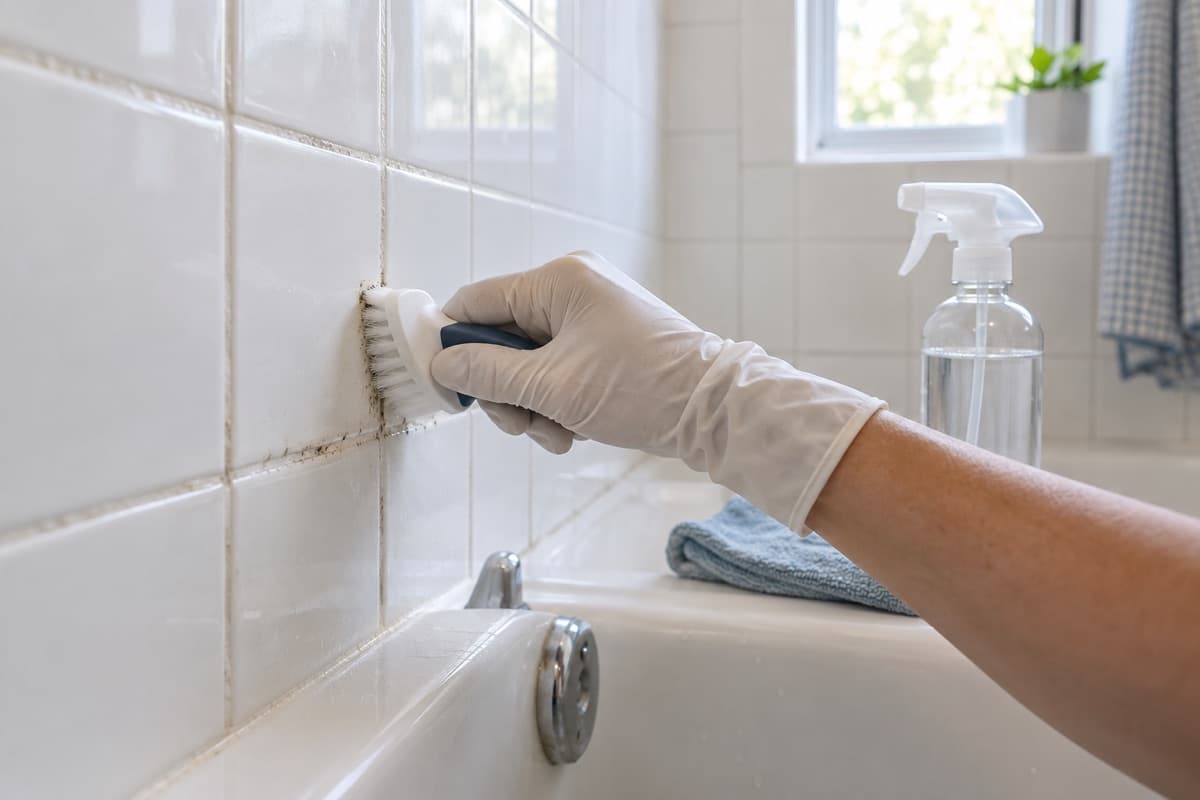
Vinegar may slow some mold on hard surfaces, but there is no proven kill time. See what research shows, where it fails, and when to call a pro.
Air mold tests are a rough snapshot, not a precise measurement. Why spore counts swing, what they miss, and when an air test is worth paying for.
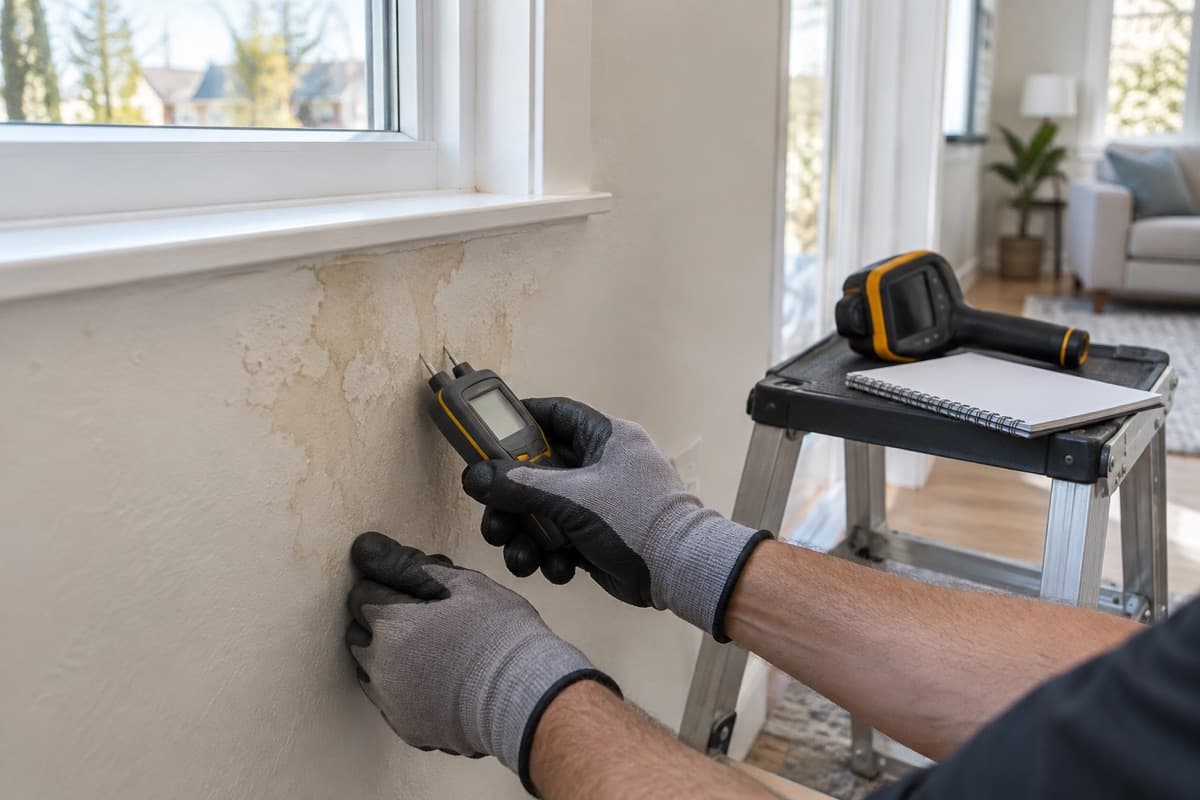
Who to call about mold: an independent assessor, a remediator, a plumber, or your landlord. How to check licenses, avoid conflicts, and skip needless tests.
A jar trap does catch roaches, but research treats it as a monitoring tool, not a control method. How to build one, where to put it, and how to read it.
Mold can start in a wet wall within 24 to 48 hours, but you may not see it for weeks. Why walls stay wet, how to dry them, and when to open one up.
Welcome to Home Safety Pros (homesafetypros.com). We are committed to protecting your privacy and ensuring you have a safe and enjoyable experience on our…
Mold can start on wet materials within 24 to 48 hours, but no reliable timeline says when you'll see it. What speeds it up and what to watch for.
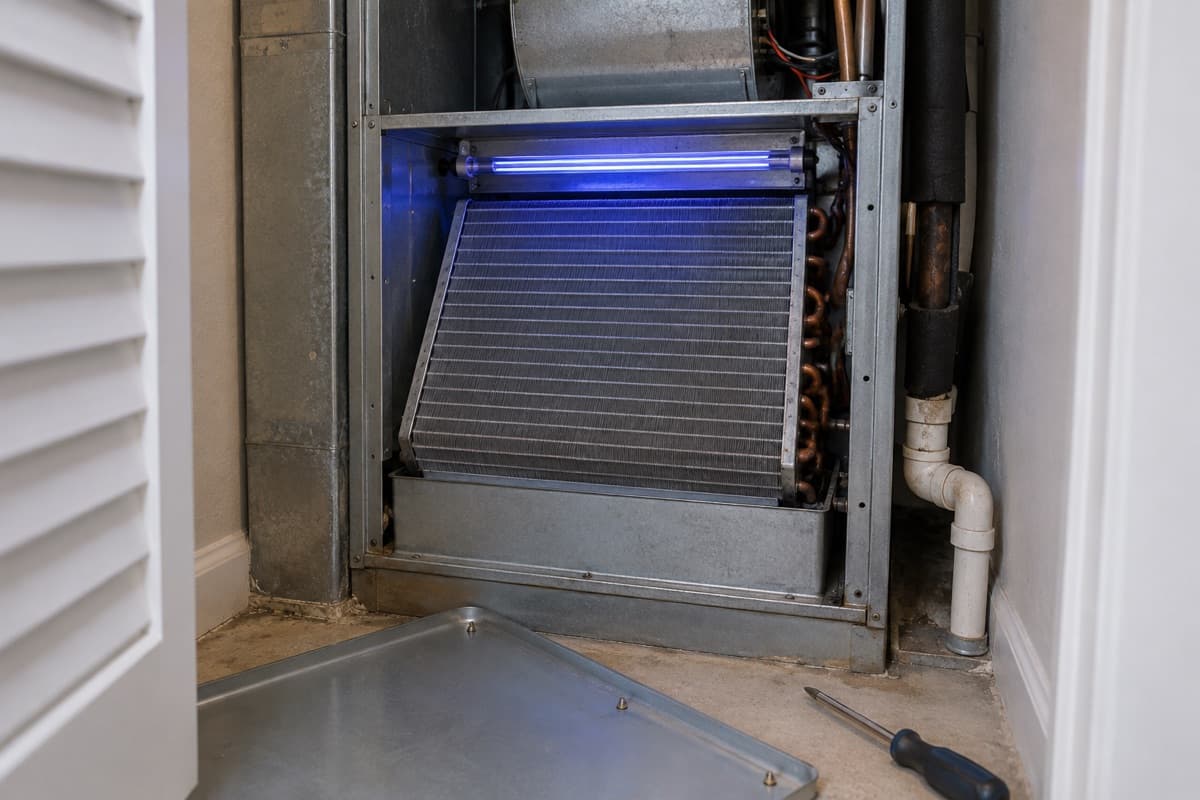
UV-C can inactivate mold, but there's no reliable kill time for home surfaces. Learn why dose matters, where UV lights fail, and what to do instead.
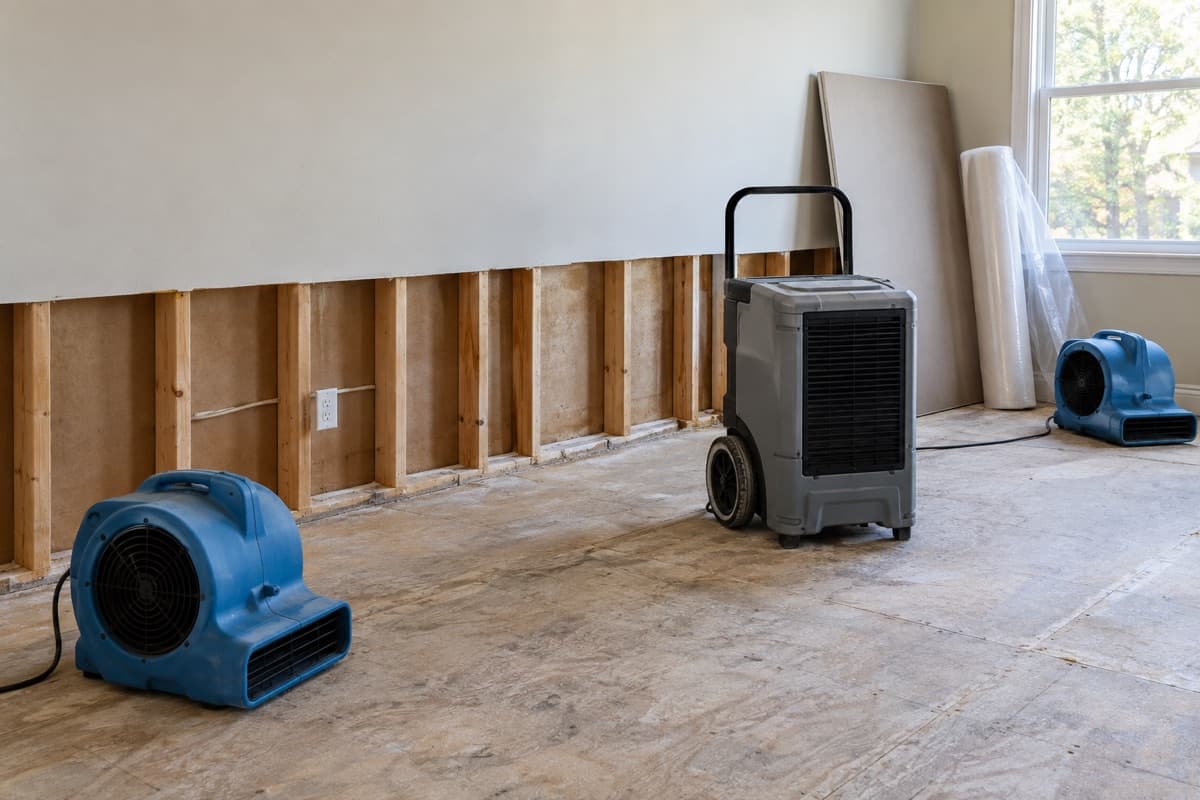
Small mold jobs may take a day or two; larger ones often run 1 to 2 weeks before rebuild. See each phase, what causes delays, and how to confirm it's done.
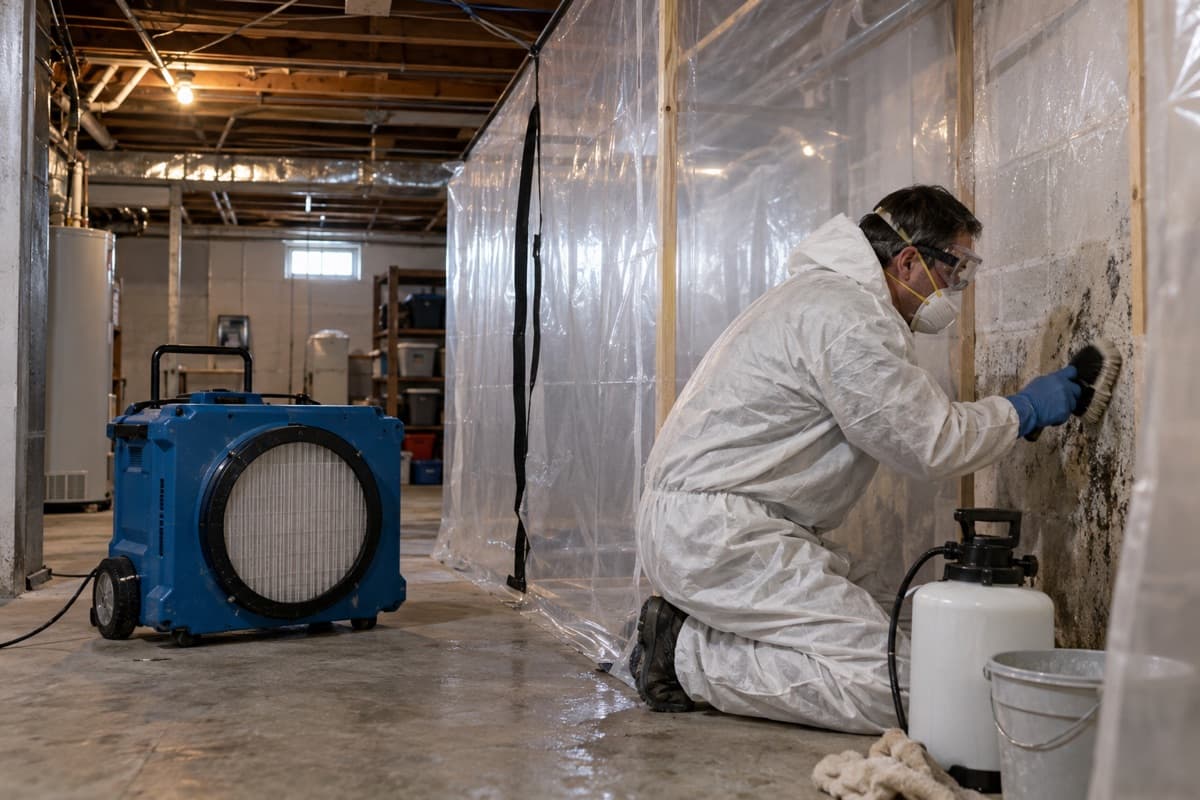
Pro mold removal often runs about $1,200 to $3,750, but hidden, HVAC, or whole-house jobs cost far more. Learn what drives price and how to compare quotes.
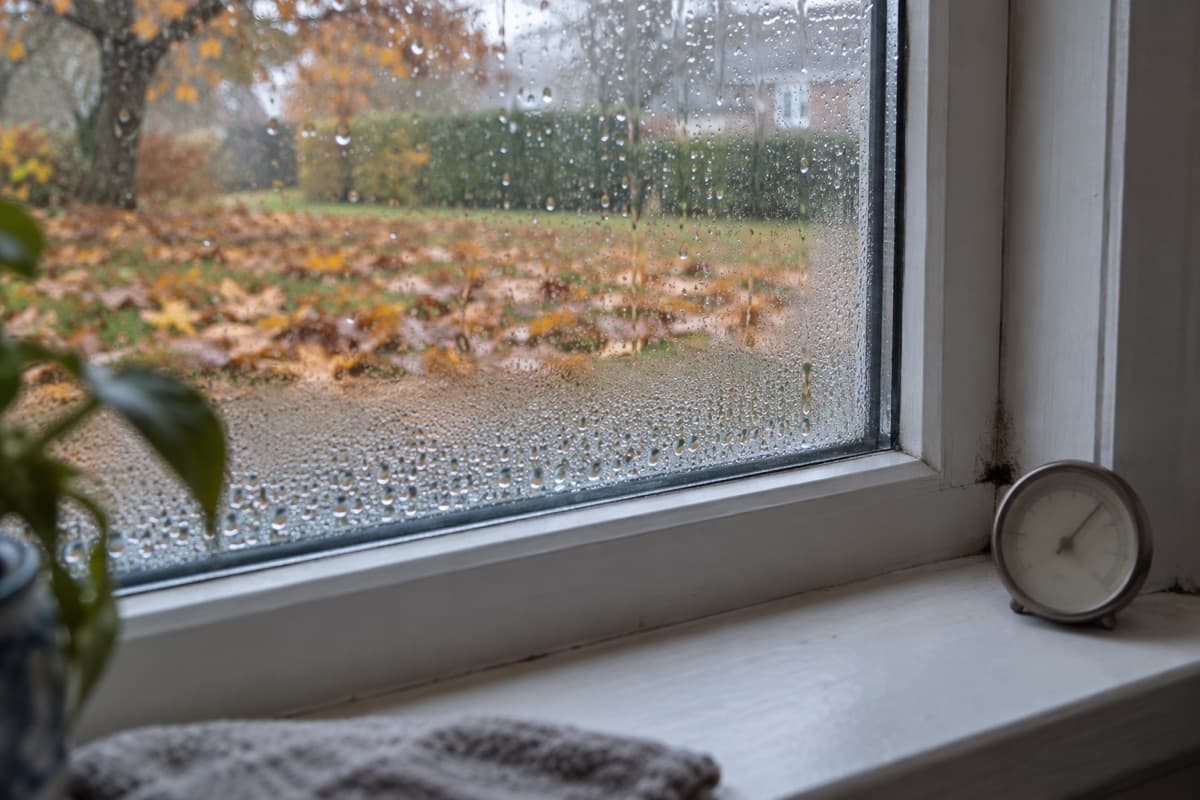
Outdoor mold often peaks from summer into fall, but indoor mold follows moisture year-round. See seasonal risks, allergy tips, and a home checklist.
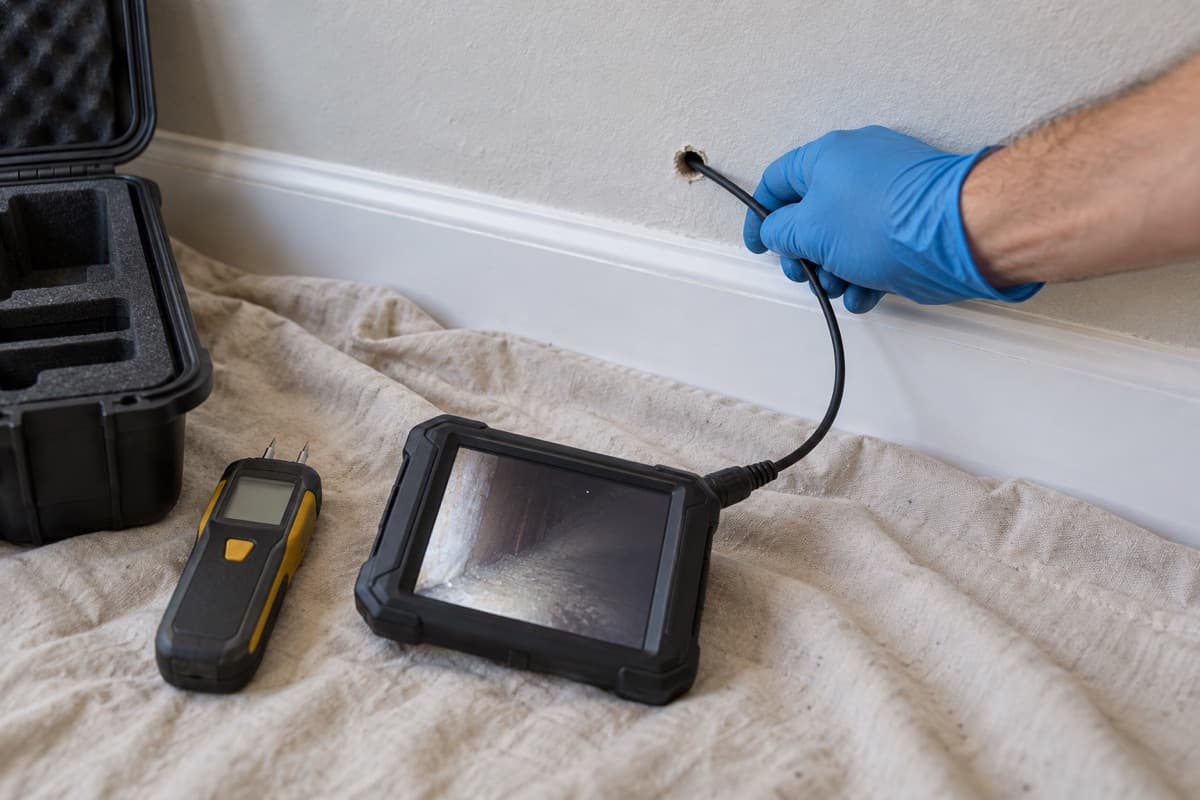
Mold testing often runs about $250 to $800, per HomeAdvisor. Learn what drives the price, when testing is unnecessary, and how to avoid conflicted inspectors.
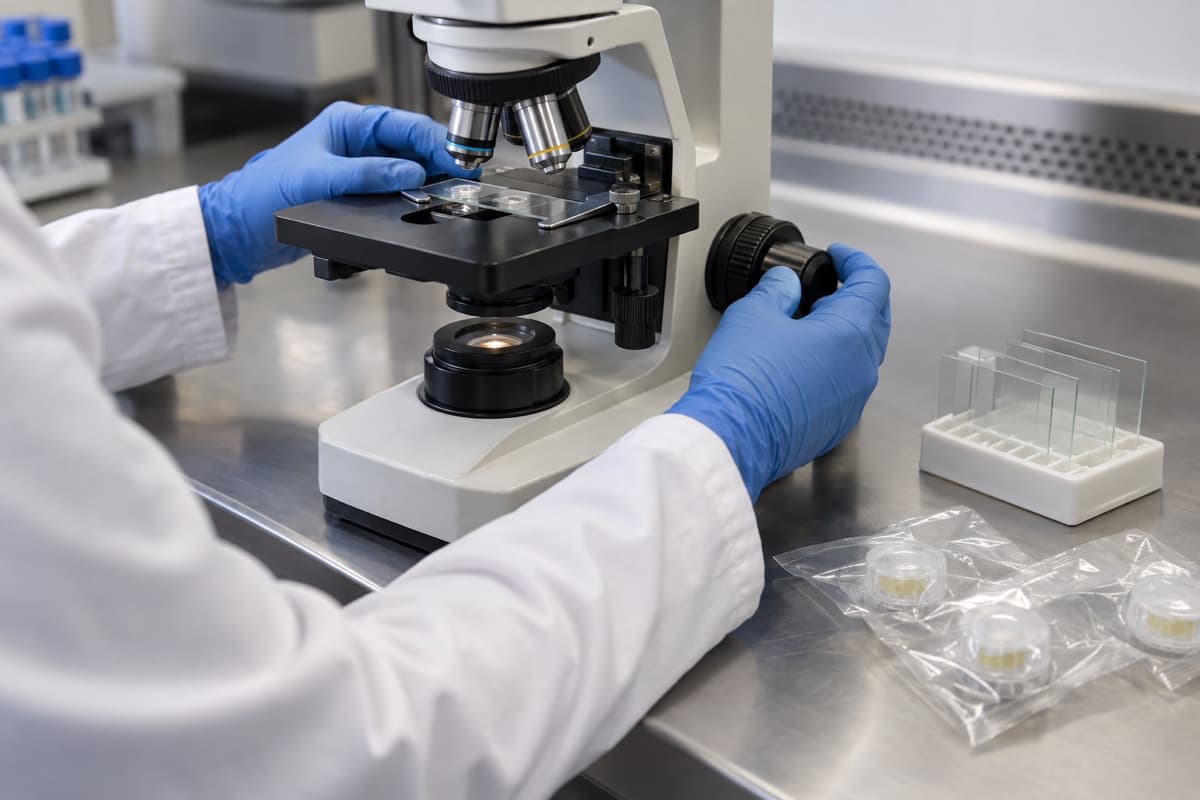
On allergy reports, a high outdoor mold count starts at 13,000 spores/m³. Indoor air tests have no safe limit. How to read each and what to do.
Orange growth can be mold, slime mold, iron bacteria, or plant rust. How to tell what you're seeing, why color doesn't show danger, and what to do.
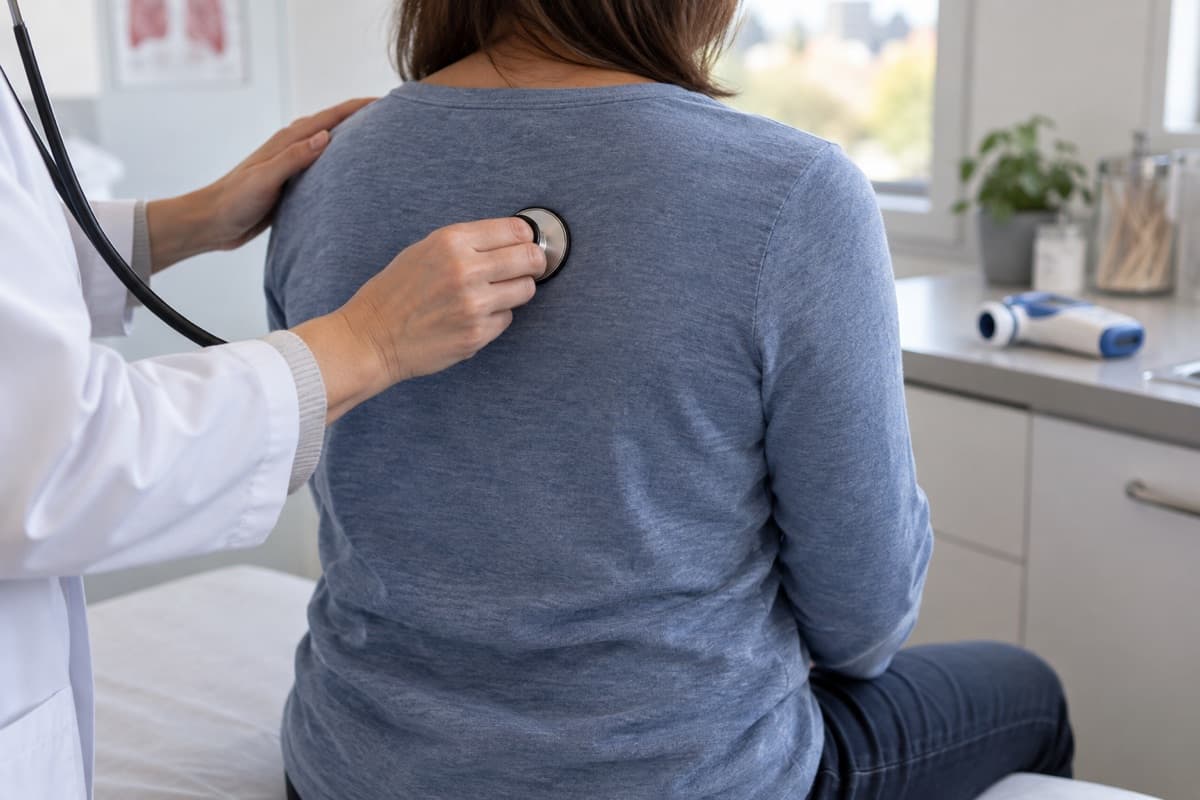
Mold can trigger allergies, asthma, and rarer lung and sinus diseases. Learn what is proven, what is disputed about mold illness, and what to do next.
White fuzz on a basement wall may be mineral salts, not mold. How to tell the difference, when white growth on wood is serious, and what to do.
Mold remediation, removal, and abatement mostly describe the same work. What each term means in law, what a proper job includes, and what to ask for.
Pink slime in showers and toilets is usually Serratia marcescens bacteria, not mold. What causes it, how to clean it, and when pink growth is mold.
Found mold at work? How to report it, what employers should do, when to contact OSHA or NIOSH, protection from retaliation, and help if you're sick.
There's no medical definition of long-term mold exposure. What research says about ongoing exposure, who is most at risk, and when to see a doctor.
Mildew is a common name for some molds that grow flat on damp surfaces. What the terms mean, why mildew isn't safer, and how to clean it by surface.
Most homes don't need a mold test kit. What EPA and CDC say, how petri dish, swab, and air pump kits differ, lab fees, and when to call a pro instead.
Keep indoor humidity below 60%, ideally 30% to 50%. Learn why cold surfaces can still grow mold and how to set humidity by room and season.
Purple mold isn't a recognized type, and black mold isn't purple. What purple or dark stains may be, why color doesn't show risk, and what to do next.
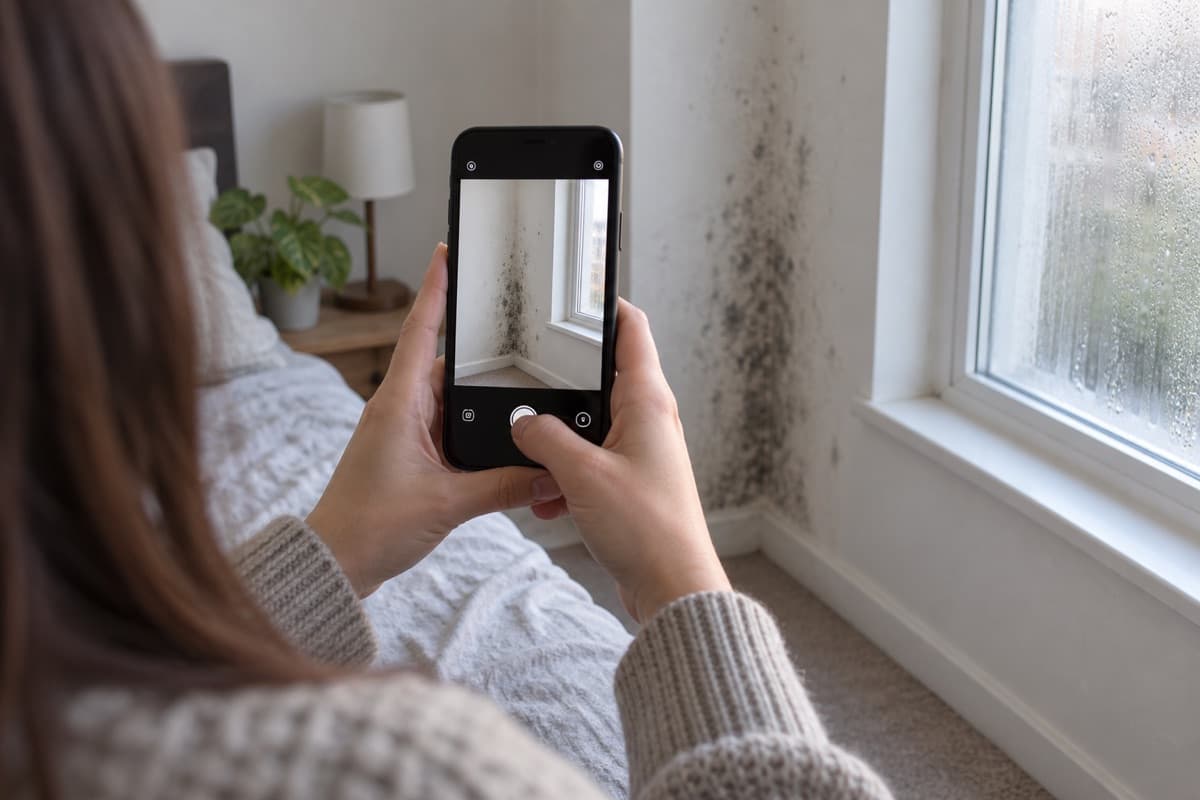
Found mold in your apartment? Photograph it, notify your landlord in writing, and learn when to call code enforcement and why withholding rent is risky.
Identify the species, clean first, place gel bait correctly, add an IGR, and monitor. A research-backed plan for getting rid of roaches and keeping them out.
A safe DIY pest control plan: identify the pest, cut off food and entry, pick baits and traps over sprays, avoid bug bombs, and know when to call a pro.
Mold in an inspection report isn't always a deal-breaker. How to size up the problem, use your contingency, negotiate repairs, and know when to walk away.
Red mold is a color, not a species. Here is what red and pink growth in bathrooms usually is, what the risk actually is, and how to clean it.
At Home Safety Pros, we believe that every family deserves to live in a safe, healthy, and secure environment. That’s why we’ve made it our mission to…
Have a question about home safety or want to share your own experiences and tips? We’re always eager to hear from our readers! Whether you need guidance on…
Fix the moisture, then scrub or remove the growth. EPA and CDC steps for safe DIY mold cleanup, what to throw away, and when to call a pro.
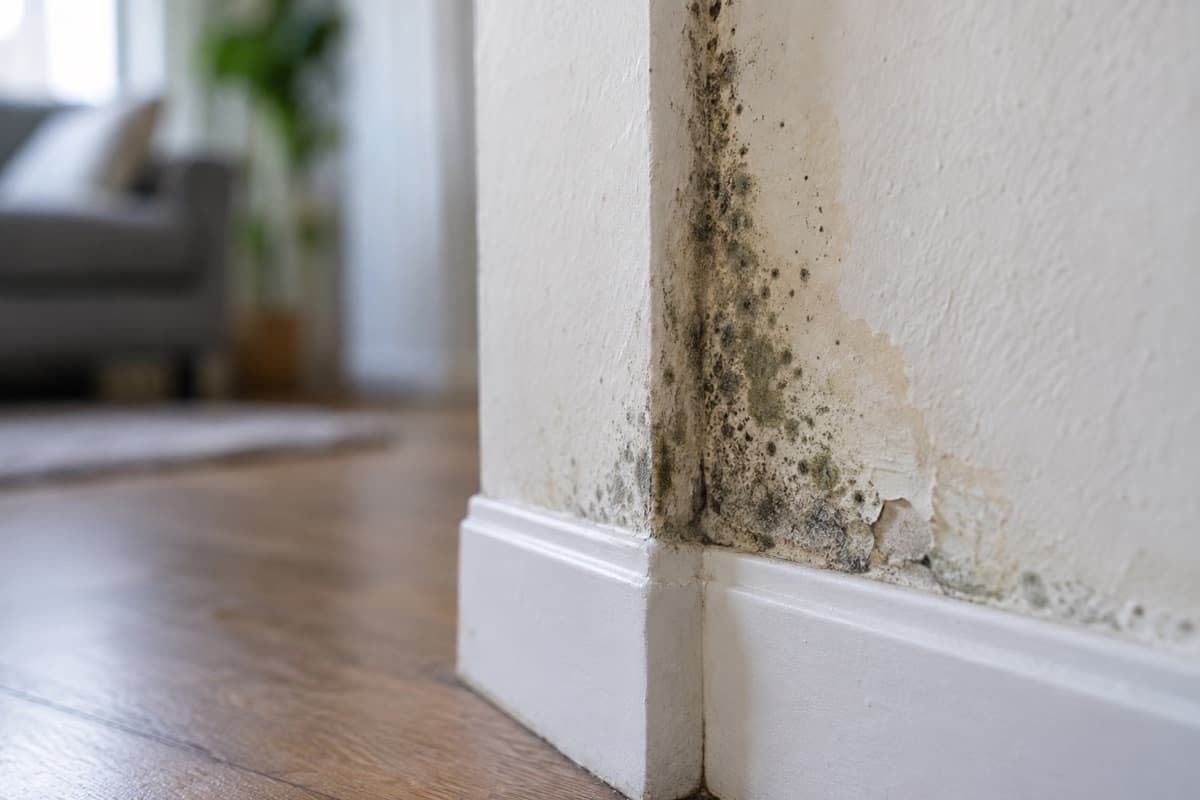
Any mold growing indoors can affect health. Learn what's known about common household molds, the black mold myth, who is most at risk, and what to do.