Mold & moisture
Mold vs. Mildew: What's the Difference, and Does It Matter?
Mildew is a common name for some molds that grow flat on damp surfaces. What the terms mean, why mildew isn't safer, and how to clean it by surface.
Guides to help you understand a problem, choose a safe next step, and care for your home with more confidence.
Showing 157–167 of 167 guides
Mildew is a common name for some molds that grow flat on damp surfaces. What the terms mean, why mildew isn't safer, and how to clean it by surface.
Most homes don't need a mold test kit. What EPA and CDC say, how petri dish, swab, and air pump kits differ, lab fees, and when to call a pro instead.
Keep indoor humidity below 60%, ideally 30% to 50%. Learn why cold surfaces can still grow mold and how to set humidity by room and season.
Purple mold isn't a recognized type, and black mold isn't purple. What purple or dark stains may be, why color doesn't show risk, and what to do next.
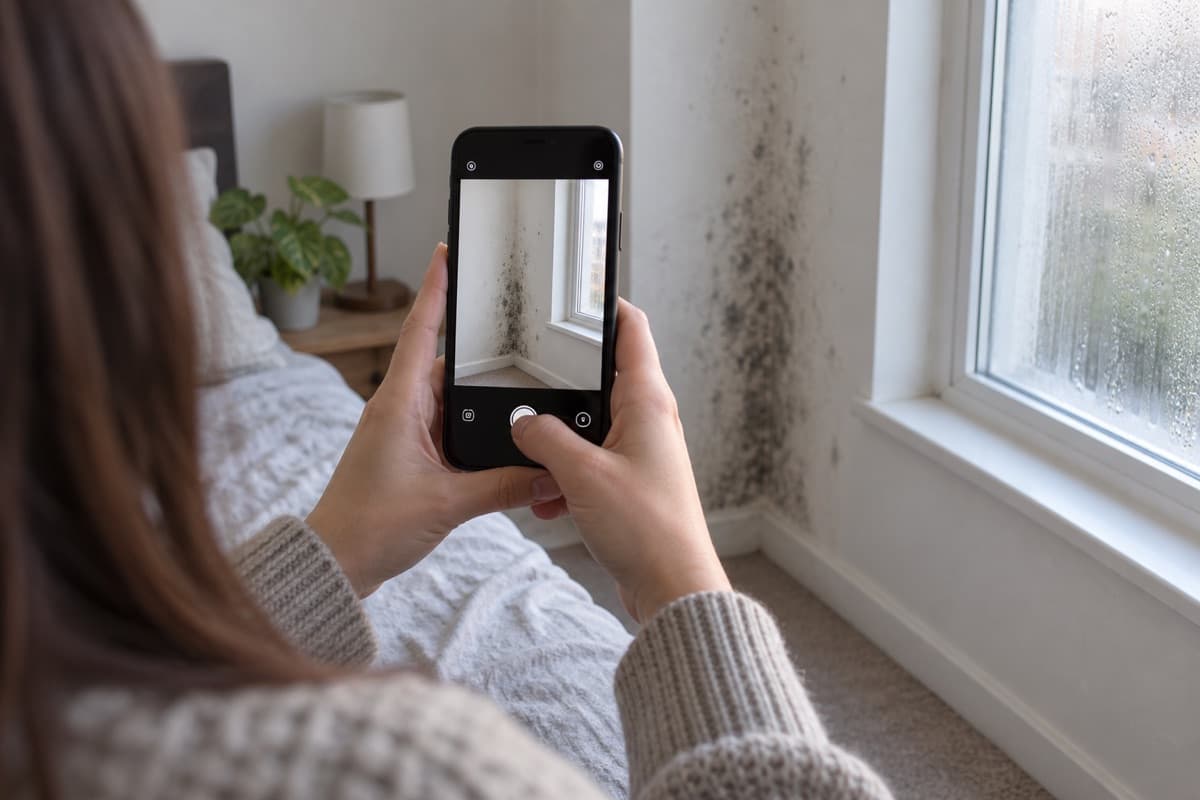
Found mold in your apartment? Photograph it, notify your landlord in writing, and learn when to call code enforcement and why withholding rent is risky.
Identify the species, clean first, place gel bait correctly, add an IGR, and monitor. A research-backed plan for getting rid of roaches and keeping them out.
A safe DIY pest control plan: identify the pest, cut off food and entry, pick baits and traps over sprays, avoid bug bombs, and know when to call a pro.
Mold in an inspection report isn't always a deal-breaker. How to size up the problem, use your contingency, negotiate repairs, and know when to walk away.
Red mold is a color, not a species. Here is what red and pink growth in bathrooms usually is, what the risk actually is, and how to clean it.
Fix the moisture, then scrub or remove the growth. EPA and CDC steps for safe DIY mold cleanup, what to throw away, and when to call a pro.
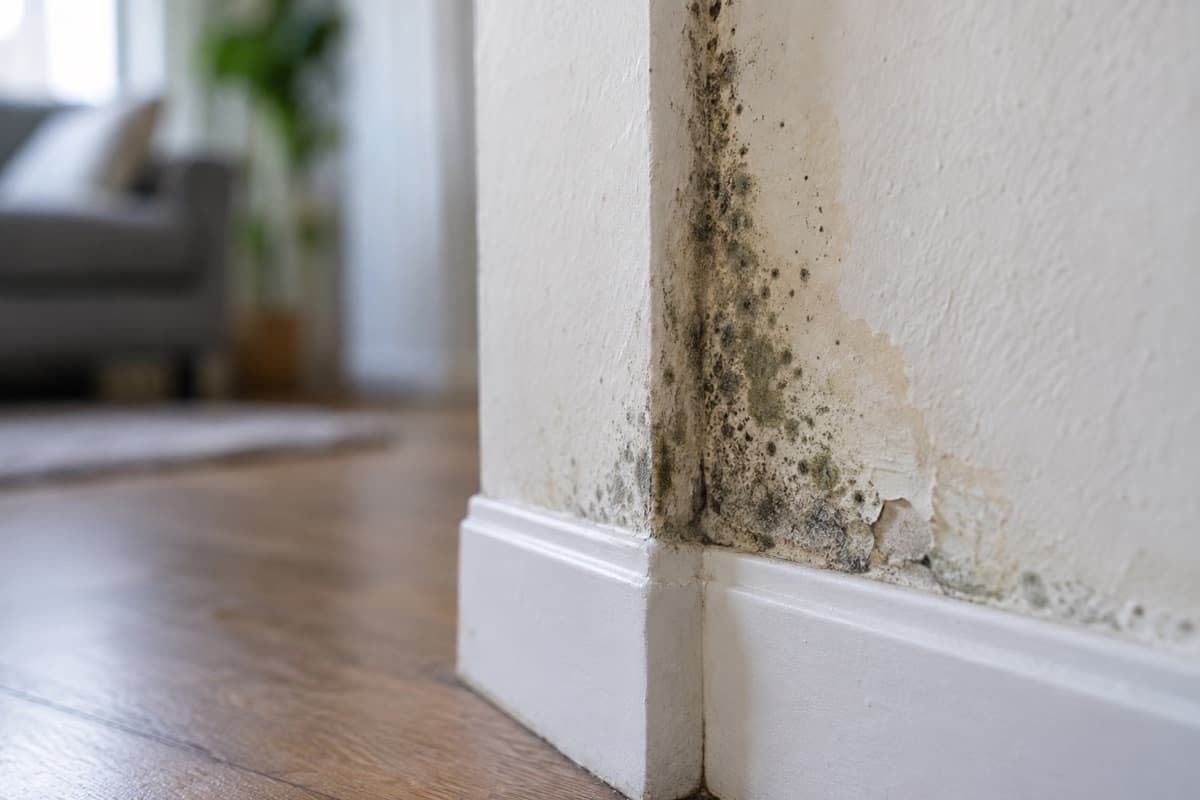
Any mold growing indoors can affect health. Learn what's known about common household molds, the black mold myth, who is most at risk, and what to do.